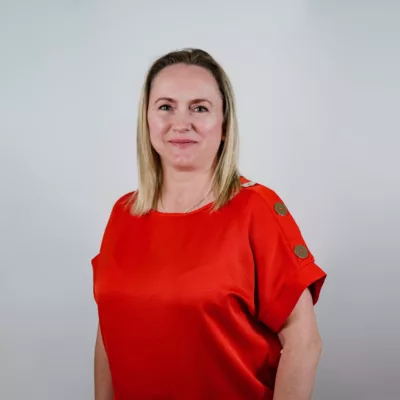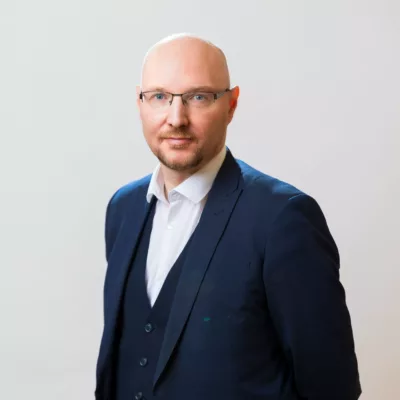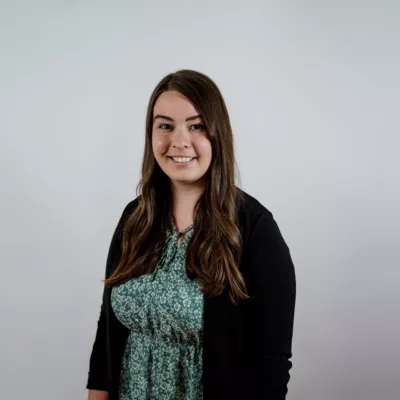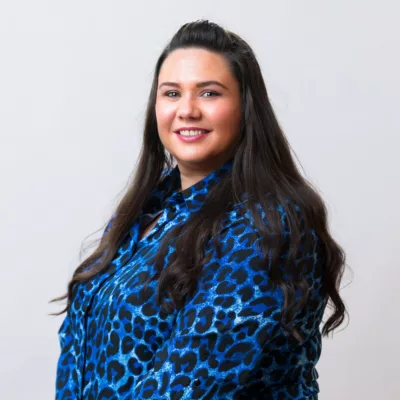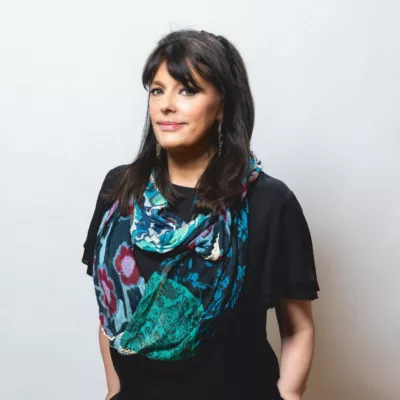

Trustees
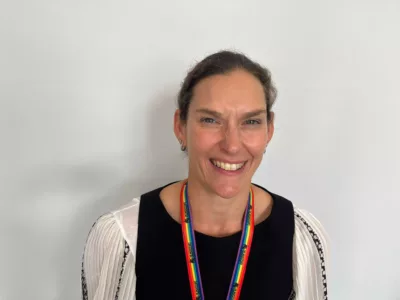
Donna Corrigan
ChairDonna Corrigan
As a person passionate about audiology I am delighted to take on the position of Chair for the BSA. Historically, I was Chair of the Professional Guidance Group, leading the update and development of the BSA documents including the Recommended Procedures and Practice Guidance. Following that I became Vice Chair supporting the work of the Special Interest Groups and leading the BSA awards. For the past 7 years I have been a senior Lecturer at De Montfort University in Leicester where I teach and lead modules in both the BSc Healthcare Science (Audiology) and Hearing Dispenser Apprenticeship programme. My audiological career began as a clinician in the NHS, later moving to one of the hearing aid suppliers to support both NHS and retail customers with their audiological and training needs. I also worked at Sense, a national charity that supports and campaigns for adults and children with congenital or acquired deafblindness embedding assistive technology through training and research.

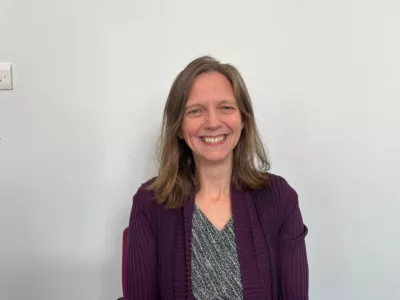
Dr. Siobhán Brennan
Vice ChairDr. Siobhán Brennan
Over the past 24 years, I have worked as a clinical scientist in audiology at Sheffield Teaching Hospitals, and more recently also as a lecturer in audiology at the Manchester Centre for Audiology and Deafness at the University of Manchester. I am currently on the Multi-professional Learning Disabilities and Autism Consultant pathway. Within audiology, my clinical, educational and research specialisms are the audiological care for adults with cognitive needs, and neonatal auditory diagnostics. These roles have led to extensive multidisciplinary working and involvement with a range of special interest groups including the European Federation of Audiology Societies Working Group on Intellectual Disabilities, the BSA Cognition SIG and BSA Electrophysiology SIG.
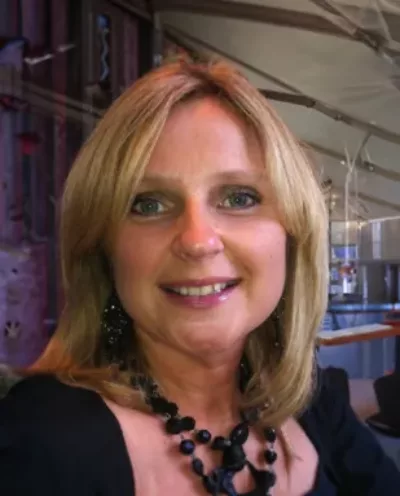
Jane Wild
BSA Honorary SecretaryJane Wild
I have spent my audiology career in NHS Audiology services and, in my current role as Consultant Clinical Scientist, I lead the adult audiology service in North Wales. I have been a member of BSA for nearly thirty years and have always valued all that it has to offer. I’ve been able to contribute as a member of the previous ‘Learning and Events Group’ and as a member, Vice Chair and Chair of the Adult Rehabilitation Special Interest Group (ARIG). I was also the Editor in Chief of the BSA magazine Audacity between 2017 and 2020. More recently I have become a BSA Trustee and taken on the role of Honorary Secretary. I’ve always been proud to be a member of BSA and feel privileged to be a current custodian and part of the team taking BSA forward
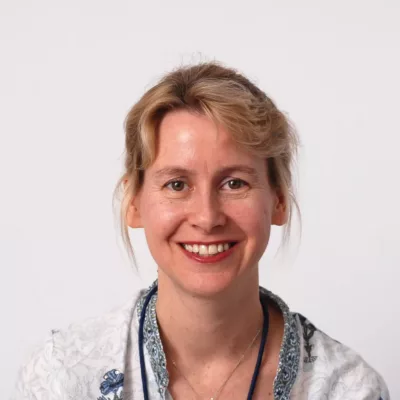
Prof Nicci Campbell
Trustee (Website), APD SIG Chair & Steering Member IJA CouncilProf Nicci Campbell
It’s with a real sense of déjà vu, that I led the development of the second BSA website in 2023. This after I initiated and led the development of our first BSA professional website in 2014. The BSA website houses the International Journal of Audiology (IJA) (jointly owned by the BSA, the International Society of Audiology and the Nordic Audiology Society) and the BSA‘s internationally cited guidance documents. These documents, the gold standard followed in the UK, undergo rigorous external peer review and public consultation. Our website also offers a great variety of learning opportunities, including conferences and training events, online learning, as well as resources, a dynamic research interface and Audacity, our magazine.
Alongside this, I serve as a steering member on the international IJA Council and have chaired the APD SIG (2011-2014), a role to which I have again returned in recent years. Our SIG, the first of the BSA SIGs, has excelled and shaped international thinking. We have published several BSA peer-reviewed practice guidance documents, and the first-ever ‘APD White Paper’ (2013) with an international set of commentaries in the IJA. We offer online learning opportunities and are currently working on two new guidance documents and a new white paper with international partners. I was delighted to be awarded the BSA Ruth Spencer Prize (2016) for ‘Contribution to the field of APD’, a BSA 50th Anniversary Award (2017) for ‘Outstanding contribution to the BSA and the field of Audiology’ and BSA Principal Fellow status in 2020. It is exciting to be a part of the BSA and rewarding to contribute to the field of Audiology.
Professorial Fellow, University of Southampton
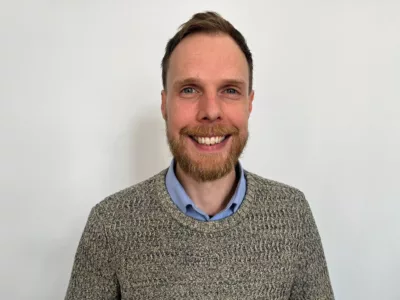
Ned Carter
Trustee & Global Outreach LeadNed Carter
The BSA’s Global Outreach work relates to audiology in low-resource settings worldwide – a challenging but important topic. I believe that innovation, cost-effectiveness, good practice and evidence are compatible and necessary to improve millions of lives.
My career began in NHS audiology. I went on to have a varied career, pursuing interests in public health, international development and technology in the public, private and voluntary sectors.
Recent roles in product management involved improving audiometry outside the booth and building software for global health researchers. Before that, I managed programmes in Africa and Asia to strengthen health systems. In Cambodia, I headed up an audiology training school, juggling clinical practice, teaching, management and service development.
I hope you will take a look at the BSA’s Global Outreach page and consider getting in touch.
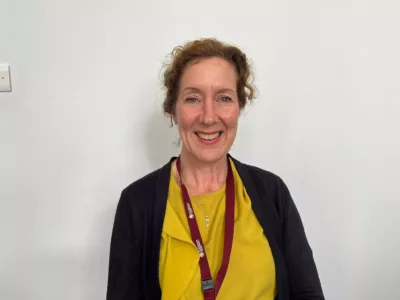
Sara Coulson
Trustee & Chair for the Online Learning GroupSara Coulson
Since 2017 I have helped promote best practice in Audiology as a member of the Learning Events Group, and then Chair for the Online Learning Group. My aim is to promote audiological best practice through conversations and learning between clinicians, researchers and policy makers, and to create an enjoyable and accessible learning space for them. I have a small, dedicated team who liaise with the BSA Special Interest Groups, researchers and clinicians to provide a full range of topics.
I currently lecture at De Montfort University, teaching clinical skills, professional practice and anatomy and physiology. Prior to that, I worked in adult audiology for 20 years both in the NHS and private sectors. I specialise in tinnitus and complex adult audiology.
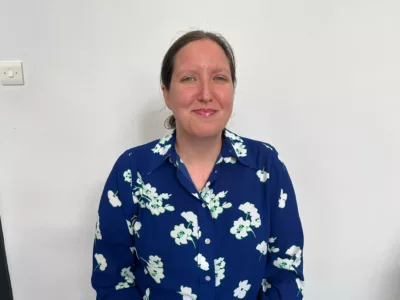
Gemma Crundwell
Trustee & Conference Group LeadGemma Crundwell
After graduating I worked as an audiologist in various NHS departments between 2008-2022, specialising in adult hearing rehabilitation, tinnitus management and hearing implantation. In 2022 I left the NHS to join MED-EL as a clinical specialist and business development manager. My work focuses on improving people’s lives through specialist hearing care.
I first became actively involved with the BSA in 2016 when I joined the then Learning and Events Group. In 2019 I became a BSA Trustee and Conference Group lead. I am also a member of the BSA Research Development Group, Tinnitus and Hyperacusis SIG reference group and Bone Conduction Middle Ear implant SIG reference group.
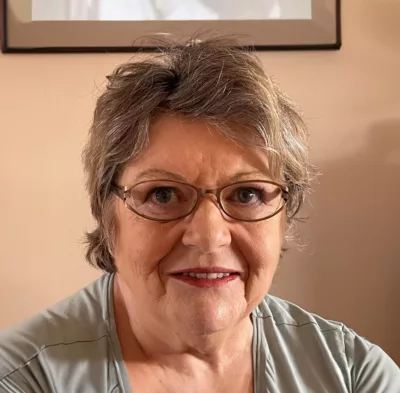
Christine DePlacido
Trustee for external relationsChristine DePlacido
Throughout my career I have been involved with BSA having been a member since 1975. I have served on council in the past as chair of the programme committee, lead editor of BSA news and Scottish representative.
I started my career in audiology in 1975 as a student audiologist. After qualifying in 1977 I moved to Edinburgh and worked as an audiologist/senior audiologist until 1985 when I moved to Fife as head of audiology for Fife.
While working in Fife I obtained a B Sc (Hons) in health studies followed by a Masters in Audiology and was regraded to principal clinical scientist. In 2000 I qualified as a counsellor and hearing aid dispenser. I left my post as head of service to take up a lectureship in Audiology at Queen Margaret University (QMU) in Edinburgh in 2005. I became a Senior lecturer and programme leader in 2006 with responsibility for managing a range of programmes from the hearing aid dispenser diploma to an M Sc in Audiology. I worked at QMU until 2019, during this time I completed my PhD. I am still affiliated to the Clinical Audiology Speech and Language research Centre (CASL) at QMU.
It is an honour to now represent BSA as the trustee for external relations.
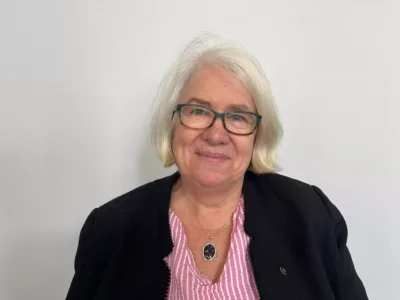
Rosie Mayer
Trustee (Early Careers Professional Support)Rosie Mayer
It has been a long time since I worked in audiology and as I am now retired, I wonder what use I will be in this role. So many things have changed since I left the workplace because technology has altered, but the basic tenets are still the same, the issues are just in a different time frame. My travelling fellowship to Iowa and Holland gave me a new perspective which I hope I have kept with me over the years. I have had a long career in the field in many areas including research, clinical assessments, tinnitus, medico legal expert witness work. I have also been privileged to work with vulnerable and learning disabled clients many of whom taught me more than they will ever know. Direct personal experience and understanding of the role of the ‘significant other’ is being married to a hearing aid user.
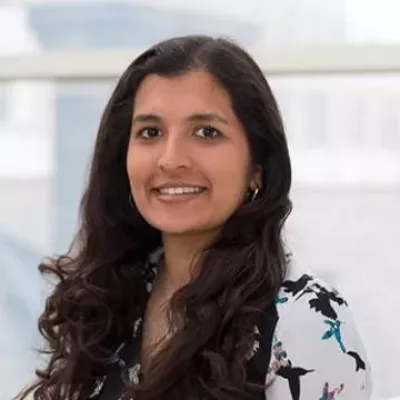
Dr Bhavisha Parmar
Trustee (Membership and EDI)Dr Bhavisha Parmar
I am a paediatric audiologist and have worked in the private, public and charity sectors. I am currently postdoctoral research audiologist at the University of Cambridge and a Lecturer at UCL Ear Institute. I completed my PhD at UCL Ear Institute in 2022 and my research interests include spatial hearing, developing effective ear and hearing care services in low resource settings, and improving accessibility in UK healthcare.
I have been a Trustee of the BSA since 2019 and I am passionate about bringing together a wide variety of professionals, patients and members of the public to improve our field. In my Trustee role I lead on matters regarding Membership, EDI and the BSA Fellowship Scheme.

Prof Gabrielle Saunders
Trustee (International Relations), Member ARIG SIG & Steering Member IJA CouncilProf Gabrielle Saunders
I am thrilled to be involved in the leadership team for the BSA and hope I bring to the role experience, passion, and knowledge gleaned over my 30+ years as an audiological researcher based in the US, Denmark and UK. Along the way, in addition to my research, I have managed an audiology education, outreach and dissemination program, organized international conferences, held positions of leadership in professional societies, and collaborated with colleagues across the world. These roles have given me insight into audiology practices outside the UK, a wide network of global contacts with whom I can work, and the skills to effect action – all of which I now apply to my roles at BSA.
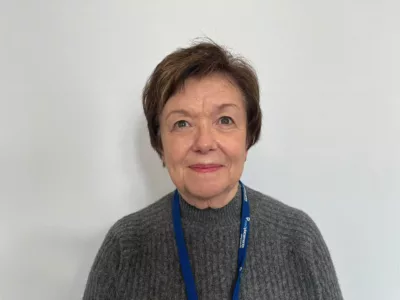
Wendy Stevens
TreasurerWendy Stevens
I have worked in audiology for over 36 years both within the NHS and the academic sector and according to the university have taught over 750 students. I am Clinical Director for the Healthy Hearing programme for Special Olympics GB and have volunteered at World Special Olympics. I have been in this role fort 14 years. I am also involved in a voluntary project in the Gujarat, India, which is a student led project. The project started in 2016 and we offer free hearing screening and fit hearing aids, which have been donated, to whoever needs one. Both projects are very important to me, and I am very passionate about developing and supporting audiologists of the future.
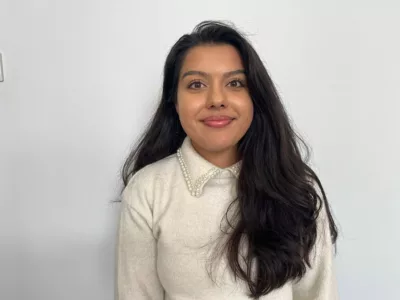
Diya Vaid
Early Career Professionals Lead TrusteeDiya Vaid
I am thrilled to take on the role of the Early Career Professionals Lead Trustee within the BSA. My foremost goal in this position is to be an advocate for Early Career Professionals and students, ensuring that their voices resonate throughout the society and that they feel integral to this community. My journey into audiology and related hearing health practice occurred as a natural progression driven by my research interests. I am currently pursuing a PhD at the Ear Institute, University College London, where my research focuses on addressing hearing loss and cognitive health, together, in older adults in clinical practice. My first-hand experiences within the hearing health field, both via research and directly interacting with the audiological profession, have provided me with a stimulating outlook on audiology related practice, as well as having the opportunity to remain up to date with the latest hearing and balance related research. Discovering the pivotal role that the BSA plays in supporting Early Career Professionals and students, like myself, has fuelled my enthusiasm to embark on this journey of working collaboratively alongside my fellow trustees and council members to promote the growth of Early Career Professionals and students within the society.
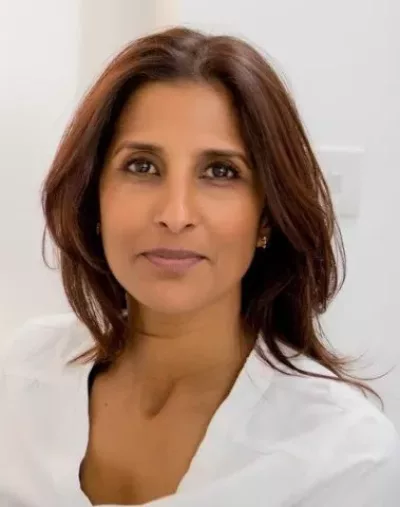
Priya Carling
Trustee (Practice Guidance Group (PGG) Lead)Devang Joshi
Trustee (Membership Communications Lead)Advisors
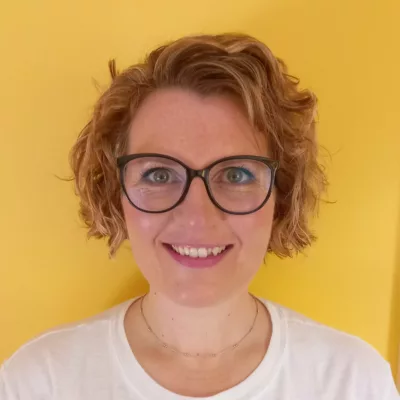
Rosie Adams
Balance Special Interest Group, ChairRosie Adams
I started my Audiology career by commencing my MSc in Southampton and completing my Clinical Scientist training at the Royal Berkshire Hospital, Reading. Since qualifying, I have had a number of varied clinical roles and have developed a particular interest in developing and enhancing vestibular services. I completed the PGDip in Leadership and Management in Healthcare Science recently and have been able to apply skills and knowledge to my current NHS role as Clinical Lead for Balance, at Manchester Royal Infirmary. I enjoy the diversity vestibular science brings and the pace at which it is developing. As chair of the Balance SIG I hope to share my passion for helping others and enhancing our profession.
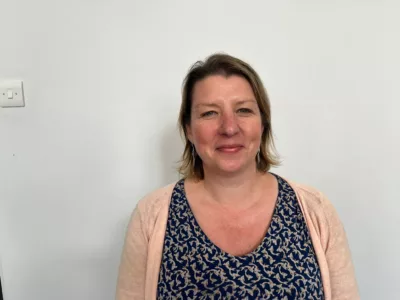
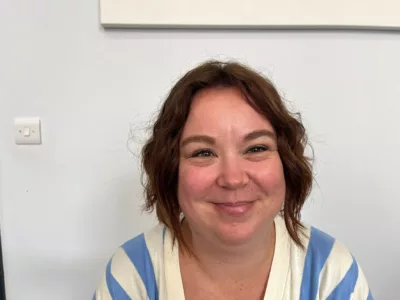
Dr Ann-Marie Dickinson
Co-chair of Adult Rehabilitation Interest GroupDr Ann-Marie Dickinson
I have worked in Audiology since 2001, in North Wales, the Northwest, and West Midlands. In 2009, I studied for a PhD at the University of Manchester and continued in Research and Teaching roles at ManCAD. I set up the BAA/BCIG CI Champions initiative in 2019 and was Chair of the BAA Service Quality Committee between 2020-22. In my last role, I set-up and led an Adapted Adult Audiology service in Salford for adults with a Learning Disability, adults living with Dementia and Autistic adults. I became co-chair of ARIG in March 2023 and I am an active member of CH SIG, including developing the BSA Dementia Specialist Network. I joined CTMUHB in May 2023 as clinical lead. I am passionate about person centred care, evidence-based practice, service-transformation and tackling health inequalities in Audiology.
I am committed to improving adult Audiology services and I love being part of ARIG. I hope to use my time in BSA to improve outcomes and raise standards of care. You can contact me via Twitter @AnnMarieDicki12
Principal Clinical Scientist and Deputy Head of Audiology, Cwm Taf Morgannwg Health Board
Dr Kathryn Fackrell
Chair of BSA Tinnitus and Hyperacusis Special Interest GroupDr Kathryn Fackrell
I am senior researcher working in tinnitus and hyperacusis research at the University of Nottingham and Chair of the Tinnitus and Hyperacusis Special Interest Group (TH-SIG). I first caught the bug for tinnitus and hyperacusis research during my undergraduate psychology degree and went on to complete a PhD on measuring tinnitus and evaluating outcome measurement tools in 2016 at the University of Nottingham. Since then, my passion for tinnitus and hyperacusis research and wanting to improve the lives of those experiencing tinnitus and hyperacusis has only grown. I have worked closely with clinicians, patients and academic colleagues to explore new measurement techniques, improve knowledge and establish standards in measurement for tinnitus and hyperacusis. I am currently developing a digital intervention to provide self-help, understanding and support for adults experiencing hyperacusis (iSHUSH) and healthcare professionals caring for them.
Most recently, I have been working with the Department of Health and Social care, NHS England and researchers from University of Nottingham, University College London and Manchester BRC to deliver a National Research Action Plan for improving Hearing Loss and Tinnitus research. In 2017, I became a member of the TH-SIG committee where I have actively been involved in the development of the practice guidelines for tinnitus in adults, recommended procedures for Uncomfortable Loudness Levels and presenting TH SIG work at the national conferences. In September 2020, I was nominated and elected to become the Chair of this SIG, where we have now turned our attention towards hyperacusis.
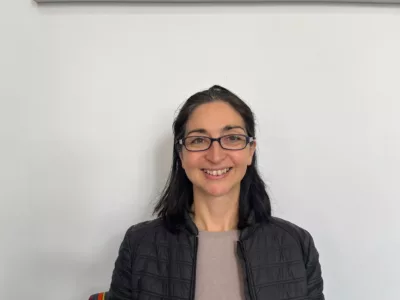
Constantina Georga
Electrophysiology Special Interest Group ChairConstantina Georga
I joined the BSA EPSIG Group to improve my understanding and knowledge on the field and it has been a rewarding experience. Over the past few years, I’ve collaborated with colleagues in developing various BSA guidelines. The group acts as the custodian to these documents and that creates responsibility but also a professional fulfilment from their evolution. For the past 20 years I’ve worked at the Royal Berkshire Hospital in a variety of roles with a special focus on electrophysiological assessment for the past 10 years. I am passionate about working for the NHS, the NHSP programme and the potential in audiology as a profession nationally.

Dr Amanda Hall
Chair of Research Development GroupDr Amanda Hall
I am the Chair of the BSA Research Development Group, and our group aims to support individuals and departments to get involved in clinical research, regardless of expertise, across all types of research involvement.
I am a Senior Lecturer in Audiology at Aston University, where I lead the research modules for our Audiology, Neurosensory and Hearing Therapy postgraduate programmes. I am also the Audiology research workforce lead for the NHS National Institute of Health Research, and the ENT Specialty Lead and Audiology Champion for the West of England Clinical Research Network.
I have a clinical role in the NHS, specialising in paediatric Audiology. My clinical work informs my own research, which examines outcomes and service provision for children with hearing loss and their families.
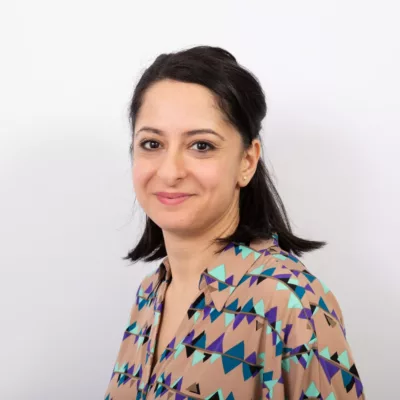
Shahad Howe
Co-chair of Adult Rehabilitation Interest GroupShahad Howe
I began my Audiology career at the University of Manchester in 2005; completing my MSc, CCC and CAC by 2009. During and after my training, I have had the privilege of working in a number of excellent NHS Audiology departments over a period of around 12 years. I was clinical lead at a regional cochlear implant programme until moving into a new role with Advanced Bionics; supporting implant candidates and recipients, consulting with patients and the public, leading on professional education, collaborating with hearing aid manufacturers and audiological care providers, and supporting the BAA/BCIG CI Champions scheme.
Between 2012 and 2016 I was an active member of the BSA Learning and Events Group and was responsible for managing the Lunch & Learn and Lightning Updates series as well inputting into the organisation of other learning events and the BSA annual conference. I was also co-editor for the BSA magazine ‘Audacity’.
I am now a member of the BAA Professional Development and Equality, Diversity and Inclusion Committees, and as co-chair of the BSA Adult Rehabilitation Interest Group I am passionate about progressing the adult rehabilitation agenda within our profession; to improve standards and access for all.
Outside of Audiology I love to bake (and eat!) cakes and luckily also enjoy a good run to work it all off!
Consultant Paediatric Audiologist
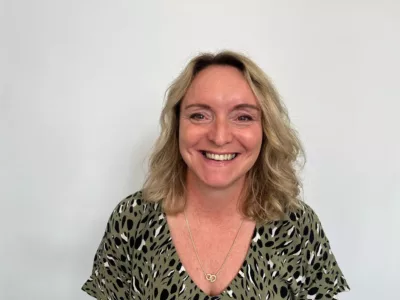
Marsha Jenkins
Chair BCMED SIGMarsha Jenkins
My clinical role is joint Lead Clinical Scientist in the Paediatric Hearing Implant Centre at St Thomas’ Hospital, London. The centre offers all hearing implants ABI, CI, BCI & MEI and I also co-ordinate the Bone Conduction & Middle Ear Implant Programme. I have over 20 years’ experience of working in the field, joining the team in 2001. The team at St Thomas’ are particularly experienced in dealing with children who have significant hearing loss as well as complex audiological, physiological, cognitive, or behavioural issues and strive to promote language for this patient population and improve quality of life.
I graduated with a BSc in Biochemistry from Glasgow University, but during my undergraduate course I realised I would prefer to be working in a more people facing role. I then undertook the MSc in Audiological Science at University College London, qualifying in 1998, this combined my love of science but with people/patient contact. At the start of 2023 I started a part-time PhD at UCL Ear Institute which is exploring optimising outcomes for children with unilateral hearing loss.
In the spring of 2022, the BSA Bone Conduction & Middle Ear Devices (BCMED) Special Interest Group was formed. I feel very privileged to be Chair of this group and find the research side of my work along with my clinical role fits very well with the BCMED SIG’s current goal. We are working towards producing documentation for best practice for referral, assessment and management of potential candidates who may benefit from these implantable and non-implantable devices. This area of audiology is really evolving, it is a very exciting time for patients and clinicians, and I feel very lucky to be involved in this.
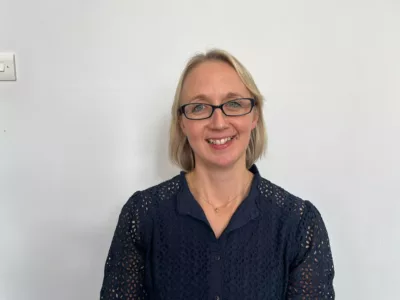
Dr Claire Lingard
Chair of Paediatric Audiology Interest GroupDr Claire Lingard
I have worked in Audiology since 2005 and specialise predominately in Paediatric Assessment and (re)habilitation and Vestibular Assessment. I work at Sandwell and West Birmingham NHS Trust as a Consultant Clinical Scientist and Service Manager. I am also Team Leader for the Newborn Hearing Screening Programme in Birmingham, Sandwell and Solihull. I enjoy the challenges and complexities of testing children and the rewards of seeing children and families thrive when they have the right support.
I completed the Higher Specialist Scientist Training programme in 2022 and my doctorate investigated hearing loss in visually impaired children. I am an examiner for Paediatric Assessment with the British Academy of Audiology Higher Training Scheme programme and have also lectured on the University of Manchester ‘Effective Amplification for Infants and Children’ course. I am also a professional volunteer for the National Deaf Children’s Society. Outside of work I enjoy swimming, regular gym classes and sing with a choir.
Consultant Paediatric Audiologist
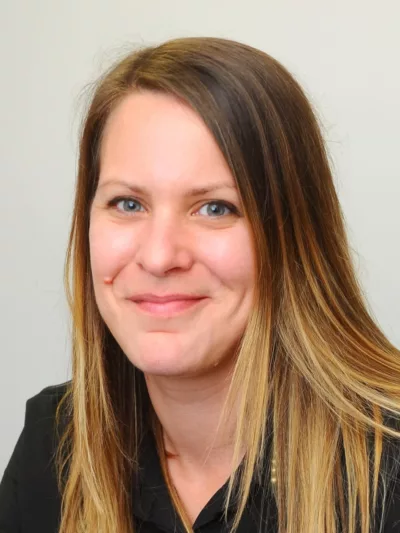
Helen Henshaw
Chair of Cognition in Hearing SIGHelen Henshaw
I am a translational researcher at the NIHR Nottingham Biomedical Research Centre at the University of Nottingham. I completed my PhD in experimental psychology at the University of Leicester in 2012, and I’m now a Chartered Psychologist in Research and Teaching.
Since 2018, I’ve led a team of researchers in Adult Hearing Health, comprising teams working on cognitive and perceptual learning, health behaviour change to support hearing aid use, and support for those living with co-existing dementia and hearing conditions. My interests lie in research coproduction with patients and the public, and the development and assessment of novel interventions, via clinical trials. I’ve led or been involved in three James Lind Alliance priority setting partnerships to generate stakeholder priorities for future research (mild-to-moderate hearing loss, hyperacusis, co-existing dementia and hearing conditions). I also have a passion for evidence synthesis via systematic reviews and meta-analyses!
I am delighted to bring my experience and passion for cognition and hearing to the leadership of the BSA CH SIG. I also represent BSA via their mentoring and fellowship schemes.
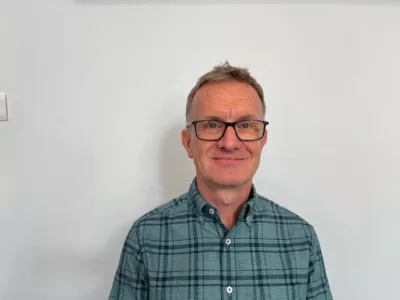
Dr Richard Windle
PGG ChairDr Richard Windle
In my role as PGG Chair, I am committed to developing guidelines that are both well-evidenced and offer practical guidance to clinicians, supporting the best possible practice across the audiology profession. I started my career in acoustics, gaining a PhD at the University of Salford, because I was intrigued by human interaction with sound. After years in a business career, I saw the light and retrained in audiology, studying at UCL and Manchester, qualifying as a clinical scientist in the NHS. I am now audiology team lead at Kingston Hospitals NHS Foundation Trust, service lead for the balance team, also working in adult and paediatric hearing. I am active in research and have published work focussed on hearing aid fitting for older adults, for whom I’m passionate about improving care. I am currently completing a DClinSci at Manchester University as part of the NHS Higher Scientific Specialist Training (HSST) programme. I like to gain the widest possible input across all parts of our profession to help improve audiology care, supported by the BSA guidelines, so please get in touch with us if you have a view or feel you can help.
Administration Team